On an ordinary Tuesday afternoon, one of my clients watched a coworker collapse in their open-plan office. She had finished a fast first aid course 6 months earlier and still promises that the only clear thought in her head was, "Look for breathing." That easy instinctive reaction, pierced in a brief express first aid training session, lugged her via the most stressful twelve mins of her life until paramedics showed up. Her colleague endured without permanent damage. The paramedic's remark afterward was blunt: "If you had not started CPR training quality compressions that swiftly, this would have ended really in different ways."
That is the real point of first aid and CPR, specifically when discovered in concentrated, time-efficient formats like express first aid courses and fast CPR correspondence course. You are not training for a hypothetical situation. You are practicing your role in a very genuine chain of survival where every min matters and reluctance is expensive.
In this article I will certainly go through why rapid feedback abilities issue, how express first aid and CPR courses are structured, where fast certification lusters and where it does not, and what to search for when selecting a fast first aid course near you.
Why rate matters more than perfection
Most individuals picture emergency situations as chaotic and frustrating, and they are not incorrect. Yet if you look at results from hundreds of incidents, a pattern appears: early, imperfect assistance generally defeats delayed, textbook-perfect help.
For heart attack, every min without CPR and defibrillation minimizes survival odds by concerning 7 to 10 percent. In severe bleeding, a person can shed a vital volume of blood in much less than five minutes. Blocked respiratory tracts, allergies, drowning, opioid overdoses, childhood choking cases, work environment electrocutions - the information modification, however the clock does not stop.
What makes a difference is not medical jargon or perfect technique. It is the determination to start. That determination comes from confidence, and confidence originates from technique, even if that method occurred in a brief express first aid course as opposed to a two-day workshop.
I have actually seen three kinds of actions in genuine events:
First, the icy bystander that understands "somebody needs to do something" yet can not convert that into action.
Second, the well-intentioned assistant that has some scattered knowledge but no framework, squandering precious time trying to bear in mind steps. Third, the person who relocates promptly into a straightforward internal list: check for danger, check feedback, call for help, open respiratory tract, start CPR, control bleeding.The 3rd person is not always a health expert. Extremely commonly they finished a fast first aid course or express CPR course within the past year and have those essentials resting near the surface.
What "express" really indicates in first aid and CPR training
Express first aid or fast first aid training does not mean poor quality. It indicates tightly concentrated. Trainers remove non-essential detail to focus on the 10 to 20 percent of skills that cover 80 to 90 percent of real emergencies.
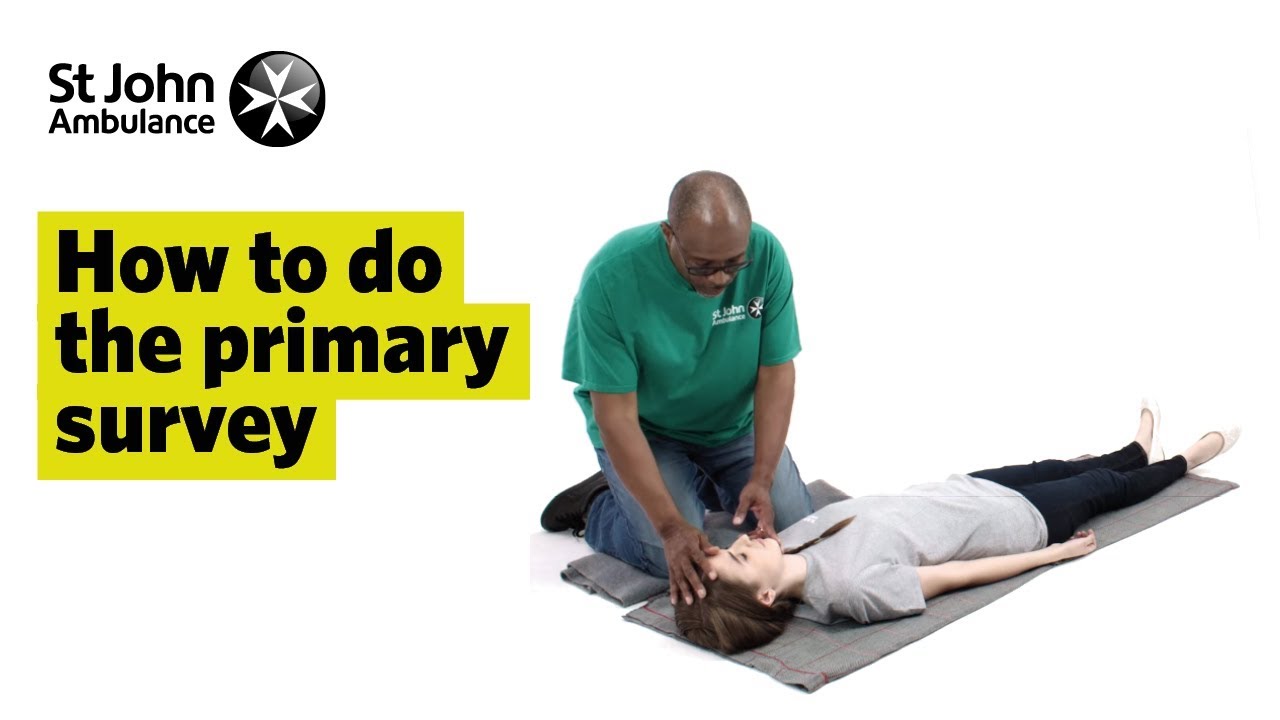
A typical express first aid course or express CPR course complies with a mixed model. Core knowledge is supplied online with brief modules, videos, and tests, and the in-person element focuses on hands-on technique: compressions on manikins, healing placements, utilizing AEDs, exercising bandaging and slings, and going through scenarios.
Where a typical first aid and CPR course may take a full day or two, an express first aid training session typically compresses in person understanding into a couple of concentrated hours. You obtain the exact same essential useful abilities, with much less time spent sitting in a classroom.
The trick distinction is something I worry to companies and people alike: express does not imply you discover "much less first aid". It suggests the training service provider has actually been compelled to be callous regarding relevance. You will certainly spend much less time on low-yield topics and more time repeating the actions you are most likely to need in a real incident.
What fast first aid and CPR courses in fact cover
There is a lot of confusion online about what fast first aid courses, express first aid courses, and basic first aid courses actually consist of. Labels can be marketing driven, yet content is normally formed by national guidelines or regulatory standards.
Most trustworthy first aid training and CPR courses, whether fast or conventional, cover a similar core:
- Primary assessment: risk checks, preliminary feedback, calling emergency services, and basic scene management Life-saving treatments: CPR training for grownups (typically with choice for kid and baby), use of an AED, choking monitoring, and breathing emergency situations
Beyond that, course deepness varies. Some fast first aid courses focus purely on dangerous events. Others add hemorrhaging control, cracks, burns, minor wound administration, shock, and medical emergency situations like cardiac arrest and stroke signs, however move through them at a brisker pace.
Express first aid and CPR courses for work environments often straighten with details codes, sometimes called "FAP first aid" or comparable structures, which specify mandatory proficiencies. In those settings, a fast first aid course will certainly still finish with the exact same first aid certificate as a longer course, because regulators care about results, not the number of coffee breaks you Have a peek here had.
The instance for express childcare first aid
Children do not act like scaled-down grownups. Their airways are narrower, their heart prices are various, and the important things they choke on would hardly fit in between grown-up teeth. That is why express child care first aid courses exist as a concentrated stream within first aid and CPR training.
I advise express child care first aid training to any individual that spends long stretches with kids: early youth instructors, casual child care personnel, sporting activities trainers, school workplace personnel, even busy grandparents searching for fast certification that still covers infant and child emergencies.
An express childcare first aid course normally concentrates on:
- Child and infant CPR and AED usage, choking management, usual injuries like falls and head injuries, allergic reactions, and bronchial asthma assaults
The advantage of the express format here is interest. When individuals that take care of kids discover first aid in blended adult-child courses, child-specific information can seem like a second thought. In a committed express childcare first aid course, the entire discussion orbits baby and child risks, and students leave better prepared for the situations they are genuinely mosting likely to face.
Online, mixed, and in person: choosing the best format
Over the previous years, first aid courses have progressively been repackaged for a hectic workforce. Block courses that require a whole day off work are hard for change workers, single investors, moms and dads, and small teams. That pressure developed demand for fast first aid, express CPR training, and blended delivery.
From my viewpoint, there are three trade-offs to consider.
First, understanding versus muscle memory. Theory adapts well to on the internet distribution. You can soak up standards, see scenarios, and full quizzes at your very own pace. CPR and first aid, nevertheless, are physical skills. You will certainly not learn just how hard to press on an upper body, exactly how to turn a head properly, or exactly how to position yourself for secure hand-operated handling by seeing video clips alone. Any fast first aid course that is one hundred percent online is only providing you half the equation.
Second, benefit versus emphasis. Sitting down for an express first aid training session that runs three to 4 hours can be more extreme than a kicked back all-day course. The speed is quicker. There is much less downtime. Students typically inform me they really first aid certification courses in my area feel mentally worn out by the end, yet they additionally say more of it "sticks". You need to know yourself. If your interest discolors quickly, take into consideration whether you may benefit from splitting theory online and method in a shorter in-person block.
Third, expense versus top quality. Fast first aid courses can be economical since training organisations lower venue hire time and trainer hours. That stated, watch out for ultra-cheap offerings that promise express first aid certifications without significant technique time. A trusted criteria: you must be literally on the floor exercising CPR and recovery placements, not just enjoying someone else do them.
Who benefits most from express first aid and fast CPR training
Express first aid training is not for everybody. Some people choose even more discussion time and slower pacing. That claimed, there are groups who constantly take advantage of fast first aid courses and express CPR courses.
Time-poor specialists are the noticeable team. Healthcare employees needing annual CPR updates, health and fitness instructors renewing first aid and CPR training, security team, friendliness supervisors, and business teams usually can not save a full day. A fast CPR refresher course that concentrates on compressions, rescue breaths, and AED abilities, tied to an on-line concept part, fits easily right into their schedule.
Parents and carers of young kids additionally acquire from express childcare first aid. Some get here visibly worried, particularly newbie parents, stressed they will be overwhelmed. The express layout, with clear concentrate on risky youth emergency situations and duplicated practice on infant manikins, often relaxes even more anxiety than it creates.
Small company owner appreciate fast certification due to the fact that shutting a look for an extended course hits earnings. A fast first aid course near them that runs early morning, evening, or over a much shorter block with blended learning permits them to stay certified without major disruption.
Volunteer coaches and community leaders are one more team. Numerous regional sporting clubs now anticipate coaches to hold at least standard first aid and CPR certifications. Fast first aid and CPR training classes, run prior to period start, allow volunteers tick that box without giving up whole weekends.
Lastly, people renewing existing abilities typically prefer fast CPR or express first aid courses. As soon as you have actually finished a detailed first aid course, rep is largely muscle mass memory upkeep. An express course that takes another look at vital circumstances and supplies updated standards is normally adequate to keep you sharp.
The limitations of "fast": when you must choose a longer course
Not every circumstance suits express first aid or fast CPR courses. In my own teaching technique, I sometimes recommend learners to take the longer route even if a fast first aid course gets on offer.
Complete novices that feel nervous concerning clinical scenarios usually benefit from added time. They require area to ask inquiries, share prior experiences, and work through scenarios a lot more gradually. Packing that into a brief express first aid course can leave them really feeling hurried and much less positive, which defeats the purpose.
Workplaces with complicated risks, such as heavy industry, remote worksites, or high-voltage settings, might be required by policy to provide advanced training. Express first aid might cover the fundamentals yet not rescue strategies, spinal injury monitoring, or sophisticated bleeding control that these settings demand.
Supervisory functions in childcare or health care in some cases require more comprehensive certification than an express child care first aid course alone gives. In those situations a full-length first aid and CPR course, potentially at a higher degree, is a lot more appropriate.
If a person has actually refrained any kind of first aid training for ten years or even more, I likewise lean toward an extra thorough upgrade instead of a fast CPR refresher course. Standards do move over time, and the gap in both knowledge and confidence can be significant.

The guideline is easy: if your function lugs much heavier duty, greater danger, or regulative commitments, spend the time in a wider first aid course initially, then make use of fast courses for maintaining abilities refreshed.
What a properly designed express first aid session really feels like
People in some cases envision that a fast first aid course will seem like being sprayed with a fire pipe of information. In excellent programs, the opposite is true. The instructor is compelled to prioritize, which often boosts clarity.
A regular express first aid training class walks students through realistic circumstances. You may be offered a situation like: "You remain in a grocery store and a person drops greatly, stagnating." The group then methods moving from acknowledgment to action: examining responsiveness, calling for help, beginning CPR, sending a person for an AED.
Hands-on cycles are repeated numerous times. Compressors alter every number of minutes to avoid exhaustion. Instructors train small adjustments: "Press a little deeper. Keep your arms directly. Count out loud." You learn to feel the rhythm rather than just counting mentally.

In express CPR training sessions that focus purely on resuscitation, I usually make use of an easy rule: if you can speak to me completely sentences while doing compressions, you are probably not pressing tough enough. That level of physical responses can not be provided in purely academic training.
Good express first aid courses also recognize psychological realism. Teachers do not pretend you will feel tranquil. We clear up that shaking hands, raised voices, and anxiety are typical. The goal is not to feel unwinded, yet to act properly despite stress and anxiety. That difference guarantees a lot of learners.
Assessing high quality: not all "express" labels are equal
If you search for a "fast first aid course near me", you will discover a congested area. Marketing language can be enthusiastic, however top quality varies. A couple of functional indications aid separate durable express first aid training from superficial offerings.
Look for across the country or regionally identified accreditation. Trusted carriers align their first aid and CPR courses with acknowledged requirements and are clear concerning the specific system codes or credentials you will certainly get. Your first aid certificate must clearly mention what competencies you have fulfilled and the length of time it stays valid.
Check the balance in between online and face-to-face elements. For common express first aid or express CPR courses, I am comfortable when online concept covers background info and assessments, and in-person time is devoted to exercise and circumstance job. I am wary of any program that depends totally on on-line video without supervised method, especially for CPR.
Ask regarding trainer backgrounds. Experienced first -responders, paramedics, registered nurses, or enduring first aid instructors bring tales and understandings you will not obtain from somebody who has actually simply memorized a manuscript. Their lived experience in emergency situations helps you recognize why certain steps matter.
Enquire concerning class dimensions. In big teams, each participant gets minimal hands-on time. For express courses, where in person hours are currently reduced, this matters a lot more. Smaller classes or higher instructor-to-student ratios lead to much better method and more meaningful feedback.
Finally, take note of just how the supplier deals with refreshers. Great organisations motivate fast CPR correspondence course or short express first aid refreshers every one to three years as opposed to dealing with training as a one-off checkbox.
Keeping abilities sharp between certifications
A first aid certificate is a legal paper, not a guarantee that you will certainly execute with confidence 2 years from now. Equally as language skills discolor without technique, so do first aid and CPR skills.
Many of my graduates tell me that within a year, they feel their confidence sliding. That is where fast CPR, express CPR training, and brief upgrade components make an actual difference.
Between official first aid and CPR training classes, there are basic routines that help:
Revisit your course notes or digital sources one or two times a year. Also a 20-minute review of CPR actions and emergency numbers makes a difference.
Psychologically practice situations in position you frequent. Standing in a supermarket aisle, believe, "If somebody fell down right here, where might the AED be? That would I ask to call for assistance?" That mental mapping shortens doubt time if something really happens. If your workplace has first aid packages or AEDs, handle them when you can. Open the kit, consider what is within. Find the AED and listen through its voice triggers in trial mode if permitted. Familiarity minimizes fumbling. If your provider supplies a quick fast CPR correspondence course, consider going to annually also if your full first aid certificate lasts much longer. The cost and time commitment are generally little contrasted to the tranquility of mind.These small, low-effort actions prime your mind to ensure that when adrenaline spikes, the actions really feel more like second nature and much less like a pop quiz.
The human side of quick response
first aid and cpr certificatePeople sometimes talk about first aid in terms of conformity and lists: have we met regulatory requirements, do we have enough very first aiders on each shift, who has a present first aid certificate pinned to the noticeboard. Those concerns matter, yet they are not why individuals remember these courses years later.
What sticks with you is the feeling of being less powerless. I have actually had learners damage down in course since they lost an enjoyed one before they knew basic life support. Their motivation for signing up in fast first aid or express CPR training is deeply individual. They intend to be the individual who can relocate instead of freeze if something similar takes place again.
I have also seen the impact in the quieter stories: the school receptionist that acknowledged a stroke as a result of a first aid course video clip, the coffee shop supervisor who used skills from an express first aid course to calmly take care of a hot injury, the grandparent that dislodged a grape from a toddler's air passage on the second attempt due to the fact that "I simply kept doing what we exercised".
Rapid response skills do not turn you right into a hero. They transform you into a skilled next-door neighbor, colleague, parent, or passerby. That may be much less attractive, however, for the person on the flooring in front of you, it is everything.
Making a practical selection for your situation
If you are weighing up whether to dedicate to an unabridged first aid course or an express first aid course, start with three questions.
What degree of duty do you lug? If you are the designated health and wellness police officer for a complicated website, favor detailed training initially, after that use fast first aid courses for refresher courses. If you are mainly looking for abilities for home, community, or low-risk workplaces, well-structured express first aid training is generally enough.
How promptly do you need certification? Employers often call for fast certification for new duties or agreement job. In those situations, a fast first aid course or express CPR course with an immediate digital certificate can conserve a work beginning day. Simply ensure you are not giving up quality for speed.
How do you find out finest? Be honest regarding whether you grow in condensed, busy settings or require more time to procedure and practice. There is no pity in choosing a much longer course if that is how you will certainly acquire actual confidence.
Whatever you select, remember that first aid and CPR are not abstract credentials. Whether discovered via standard styles, fast first aid courses, or express child care first aid training, these are useful, human skills that sit silently in the background of your life up until one day they do not. When that minute arrives, you will certainly be grateful you traded a couple of hours of your time for the ability to act.